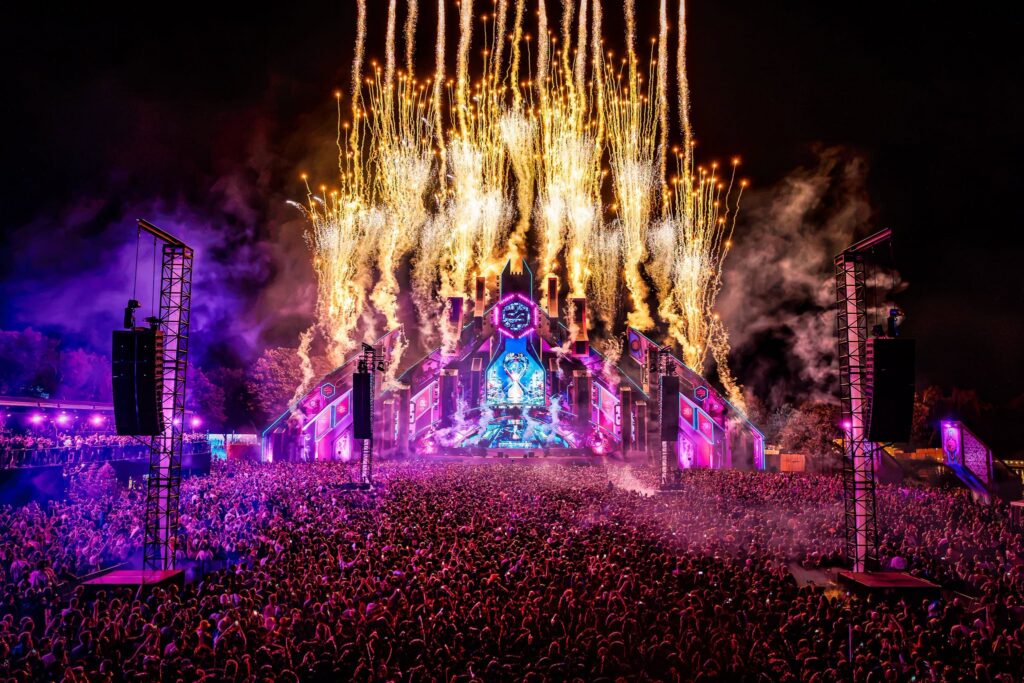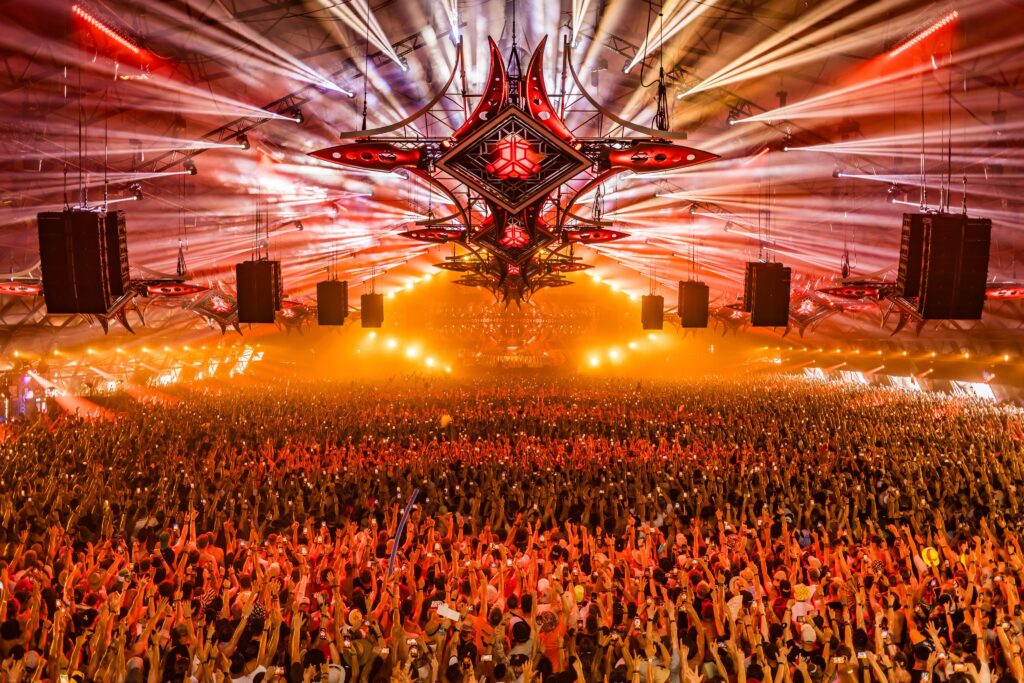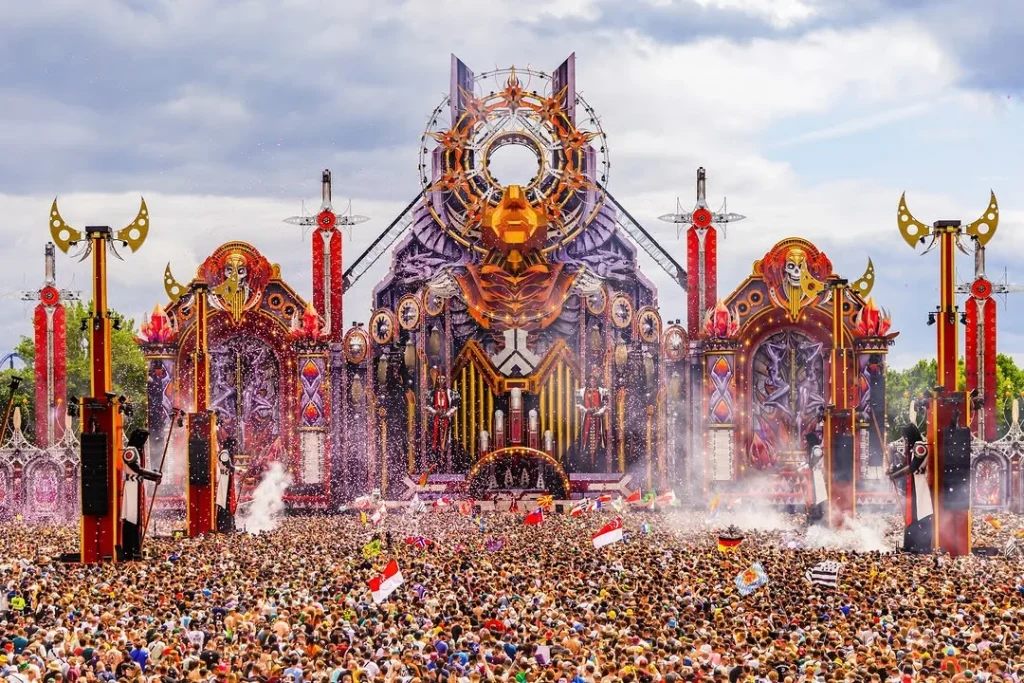
In the past few weeks, several artists started teasing a few clips of a to be released documentary that eventually hit NPO Start on October 29th. These videos showcased HARD, a 4 part series going deep into the roots of Hard Dance, directed by Arne van Terphoven (who you might know from several artist biographies, including The Prophet’s own). This alone was plenty for me to get excited, but nothing prepared me for how amazing this series really is… They brought in key stakeholders of the scene for interviews (from promoters to artists), including people who rarely speak publicly or have been away from the spotlight for a long time (such as Duncan Stutterheim, Wouter Travecchio and even Rogier Werver). The result is essentially a first-hand account of how our scene was built, with stories stretching from the late 1980s all the way to today
Before we dive into the documentary, there’s one thing worth mentioning: it struck me as odd that pretty much every post about the series came with some sort of disclaimer, specifically stating that it was only available to Dutch audiences, and only in Dutch…
I don’t know why this is the case, but it immediately struck a nerve and brought out the “hold my beer…” side of me. I really wanted to watch it but I wasn’t going to understand half of it with my very basic Dutch. So I turned to some friendly AI tools that helped me with this quest – translating the available Dutch subtitles for the first episode, and transcribing and translating the last two. The result isn’t perfect, but it’s more than enough to follow the series comfortably, and you will find that file at the bottom of this article for you to enjoy!
Across four episodes, HARD takes us through the history of the Dutch Hardcore and Hard Dance scene, from the electronic music background in the very late 80’s that led to its underground beginnings in the early 1990’s, to the international phenomenon it has become today. Along the way, it explores the music, the people, the businesses and the controversies that shaped our scene.
The first episode explores the early rivalry between Amsterdam and Rotterdam, the birth of Gabber and the underground culture surrounding it. From Rotterdam’s Parkzicht (through the eyes of people such as DJ Rob) and Amsterdam’s RoXY to illegal warehouse parties and the legendary Elementenstraat (through the accounts of people such as Ilja Reiman from Multigroove and Roy Oosterdorp from ISP), we see how a community formed around increasingly harder music. Artists such as Paul Elstak helped popularise the sound, while the media’s hostility towards Gabber strengthened its rebellious identity.
The second episode focuses on Hardcore’s explosion during the mid-1990’s, particularly through the rise of Thunderdome and ID&T, with first person recouts from Mr D and Mr I themselves (Duncan Stutterheim and Irfan van Ewijk). What started as an underground movement became a massive commercial phenomenon, with increasingly ambitious events, merchandise, compilation CD’s and mainstream television exposure. But behind the success, financial troubles, internal conflicts and excessive commercialisation were already threatening the scene’s future.
This led to the bubble bursting in the late 90’s. The third episode explores this decline and the efforts to rebuild something from the ashes. This is where Q-dance enters the picture, alongside the emergence of Hardstyle. Events such as Qlimax and Defqon.1 would help establish a new identity for the harder styles, while Hardcore itself gradually experienced a revival, trailing a crescent path right beside Hardstyle.
One of the documentary’s most fascinating stories is the relationship between ID&T and Q-dance, particularly that of Duncan Stutterheim and Wouter Tavecchio. During the 90’s, Duncan hired a young Wouter to organise parties at the Hemkade, only to fire him after his management left ID&T in debt. Wouter went on to co-found Q-dance, which grew into an incredibly successful organisation. When the two companies eventually merged in 2006, the tables had turned: Q-dance was thriving while ID&T was struggling financially. Wouter ultimately replaced Duncan as CEO of ID&T, going from someone who had cost the company money to someone who helped save it. Quite the turnaround, and a fascinating insight into the business side of our scene!
Finally, the fourth episode brings us into the modern era, following the international expansion of Hardstyle and Hardcore through artists such as Brennan Heart and Dr. Peacock. It also explores the darker side of that success, from the spectacular rise and collapse of entertainment giant SFX to the personal struggles of artists and the complicated business relationships behind some of the scene’s biggest institutions. Figures such as The Prophet and Paul Elstak reflect on their legacies and the generations that followed them. For me, one of the most fascinating stories of this episode is ID&T’s sale to American entertainment giant SFX in 2013. Led by Robert F.X. Sillerman, the Americans’ approach to business was almost surreal, with Godfather-style handshakes, bizarre meetings and an endless appetite for acquisitions. Duncan envisioned a global electronic music powerhouse, but SFX soon expanded beyond dance music, even investing in Rock in Rio. Shortly after acquiring ID&T, the company filed for bankruptcy, bringing those ambitions to a spectacular end.
It’s a shame the documentary doesn’t explore what followed. SFX emerged from bankruptcy as LiveStyle, under creditors including Axar Capital and Allianz Global Investors, before gradually selling off its assets. ID&T eventually ended up with Superstruct Entertainment in 2021, which was itself acquired by KKR in 2024. The latter has sparked considerable controversy within the festival industry, and while I understand why the documentary might want to avoid this topic, it did feel like an important chapter was left untold.
What I particularly enjoyed about HARD was how well everything was put together, following the scene’s history in a mostly chronological way, with each story naturally leading into the next. While most stories weren’t new to me, hearing them first-hand from people like Duncan, Wouter, Irfan, Roy and DJ Rob added a whole new dimension to things I thought I already knew. The sheer variety of archive footage and photographs was also impressive, and there are a few previously unheard stories (at least for me) I certainly won’t spoil!
Throughout the series, one theme keeps coming back: the complicated relationship between underground culture and commercial success. Despite all the setbacks and changes, the scene has repeatedly found ways to reinvent itself without losing the sense of community that started it all. If there’s one thing HARD reminded me of, it’s just how much history, passion and struggle lie behind the music we love.